





ISRO’s Next Generation Space Missions: How India Is Shaping the Future of Space Exploration

India has emerged as one of the world’s most respected space powers, thanks to decades of innovation, scientific research, and cost-effective mission planning. The Indian Space Research Organisation (ISRO) continues to push the boundaries of technology through satellite launches, planetary exploration, navigation systems, and advanced scientific missions.
In recent years, India’s achievements in space have attracted global attention. Successful lunar exploration, satellite deployments, and international collaborations have strengthened the country’s reputation as a leading force in modern space science.
As ISRO prepares for future missions, scientists are focusing on expanding India’s capabilities in deep space exploration, Earth observation, communication technology, and scientific research.
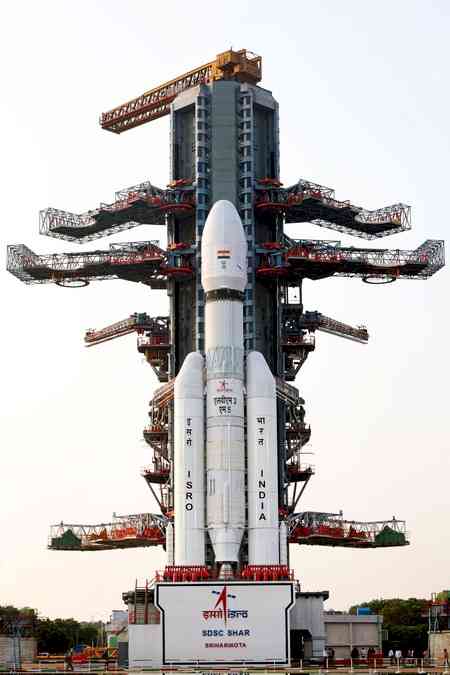
Why ISRO Matters
ISRO is responsible for designing, building, and launching India’s satellites and space missions.
Its work supports many essential services, including:
- Weather forecasting
- GPS navigation
- Disaster management
- Agriculture monitoring
- Communication networks
- Scientific research
These technologies have become an important part of everyday life for millions of people.
India’s Growing Space Ambitions
India’s space program has evolved from launching basic satellites to developing sophisticated missions that explore the Moon and beyond.
Current priorities include:
- Advanced satellite systems
- Human spaceflight
- Planetary exploration
- Earth observation
- Space-based communication
- Scientific experiments
These initiatives aim to strengthen India’s role in the global space community.
Technology Driving Future Missions
Modern space missions rely on cutting-edge technologies.
Some of the most important innovations include:
- Artificial Intelligence
- Robotics
- Autonomous navigation
- High-resolution imaging
- Advanced propulsion systems
- Satellite communication
These technologies improve mission accuracy while reducing operational risks.
Benefits for Everyday Life
Although space exploration may seem distant from daily life, its impact is significant.
ISRO’s technologies help improve:
- Mobile communication
- Internet connectivity
- Weather prediction
- Flood monitoring
- Crop management
- Disaster response
- Environmental observation
Space research contributes directly to economic development and public safety.
International Collaboration
Space exploration increasingly depends on cooperation between countries.
India works with international organizations and research partners on satellite launches, scientific research, and technology development.
Such collaborations help accelerate innovation while expanding opportunities for global scientific discovery.
Challenges Ahead
Future missions will require continued investment in:
- Research
- Skilled scientists
- Launch infrastructure
- Advanced manufacturing
- Space sustainability
- International partnerships
As missions become more ambitious, engineering and scientific challenges also become more complex.
The Future of India’s Space Program
Experts believe India’s space sector will continue growing over the coming years.
New technologies, private-sector participation, and increased research investment are expected to create opportunities for innovation while strengthening India’s position in the global space economy.
Conclusion
India’s space program represents more than scientific achievement—it reflects the country’s commitment to innovation, education, and technological progress.
As ISRO continues exploring new frontiers, its work is expected to inspire future generations of scientists, engineers, and entrepreneurs while contributing to advancements that benefit people around the world.
Frequently Asked Questions
What is ISRO?
ISRO (Indian Space Research Organisation) is India’s national space agency responsible for satellite development, rocket launches, and space exploration.
Why is ISRO important?
ISRO supports communication, weather forecasting, disaster management, navigation, scientific research, and technological innovation.
How does space technology benefit everyday life?
Satellite technology helps improve internet services, navigation, agriculture, weather forecasting, and emergency response systems.
What are ISRO’s future priorities?
Future priorities include advanced satellites, human spaceflight, planetary research, Earth observation, and new scientific missions.