As the digital world continues to expand, cybersecurity has become one of the most important concerns for individuals, businesses, and governments. Every day, millions of people use smartphones, laptops, online banking, social media, and cloud services, making cybersecurity more critical than ever.
In 2026, cybercriminals are using more advanced techniques, including Artificial Intelligence (AI), to launch sophisticated attacks. From phishing scams and ransomware to identity theft and data breaches, online threats are evolving rapidly.
Understanding these risks and adopting good security practices can help users stay protected in an increasingly connected world.

What is Cybersecurity?
Cybersecurity refers to the practice of protecting computers, mobile devices, networks, applications, and digital information from unauthorized access, attacks, or damage.
Its main objective is to keep personal and business information secure while ensuring systems remain available and trustworthy.
Why Cybersecurity Matters More Than Ever
Modern life depends heavily on digital technology.
People now use online platforms for:
- Banking
- Shopping
- Education
- Healthcare
- Business
- Entertainment
- Government services
As more activities move online, cybercriminals gain more opportunities to exploit vulnerabilities.
Biggest Cyber Threats in 2026
1. AI-Powered Cyber Attacks
Artificial Intelligence is helping businesses improve productivity, but cybercriminals are also using AI to create smarter phishing emails, automated scams, and malware that adapts to security systems.
2. Phishing Scams
Phishing remains one of the most common online threats.
Attackers send fake emails or messages pretending to be banks, companies, or government organizations to steal passwords and financial information.
3. Ransomware
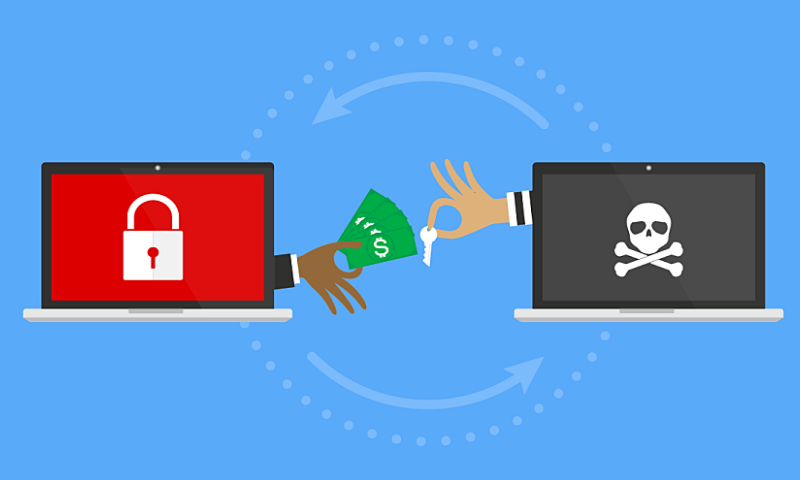
Ransomware locks a user’s files and demands payment to restore access.
Businesses, hospitals, and government organizations are common targets because they rely on continuous access to critical data.
4. Identity Theft
Cybercriminals steal personal information such as Aadhaar numbers, PAN details, passwords, and banking credentials to commit financial fraud.
5. Fake Mobile Apps
Malicious applications disguised as legitimate software can steal personal data, monitor activity, or install malware on smartphones.
Always download apps from official app stores and review permissions carefully.
How to Stay Safe Online
Simple habits can significantly reduce cyber risks.
- Use strong, unique passwords for every account.
- Enable two-factor authentication wherever possible.
- Keep your devices and apps updated.
- Avoid clicking suspicious links or attachments.
- Verify website URLs before entering sensitive information.
- Back up important files regularly.
- Use trusted antivirus and security software.
- Be cautious when using public Wi-Fi networks.
Cybersecurity for Businesses
Organizations should invest in employee awareness, regular software updates, secure backups, and continuous monitoring to reduce the risk of cyber incidents.
Training employees to recognize phishing attempts is one of the most effective defenses.
The Future of Cybersecurity
As AI becomes more powerful, cybersecurity will continue to evolve.
Security experts are increasingly using AI to detect threats, automate incident response, and identify unusual network behavior before attacks cause significant damage.
At the same time, governments and technology companies are strengthening regulations and investing in digital security infrastructure.
Conclusion
Cybersecurity is no longer just an IT issue—it is a responsibility shared by everyone who uses digital technology.
Whether you’re a student, professional, entrepreneur, or business owner, adopting safe online practices is essential in today’s connected world.
By staying informed and following basic security measures, users can greatly reduce the risk of becoming victims of cybercrime.
Frequently Asked Questions
What is cybersecurity?
Cybersecurity is the practice of protecting digital systems, networks, and information from cyber threats and unauthorized access.
What is phishing?
Phishing is a fraudulent attempt to steal sensitive information by pretending to be a trusted organization through emails, messages, or fake websites.
Why are ransomware attacks dangerous?
Ransomware can encrypt important files and demand payment for their recovery, causing financial and operational disruption.
How can I improve my online security?
Use strong passwords, enable two-factor authentication, keep software updated, avoid suspicious links, and regularly back up your important data.